How Denise Lambertson Turned Celebrity Marketing into a Venture Fund

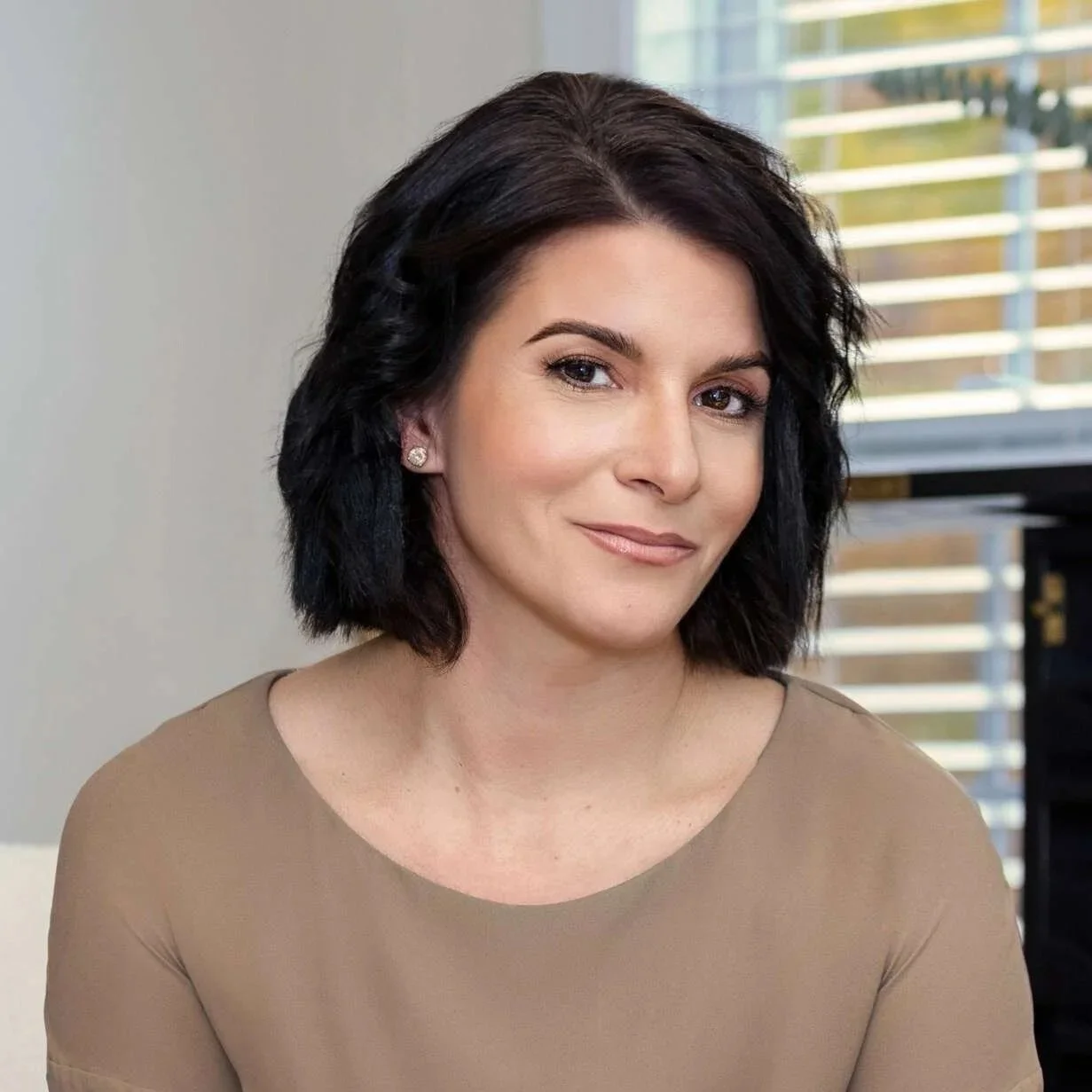

In this episode, I sit down with Denise Lambertson, founder and managing partner of Constellation Capital, a venture fund investing in early-stage consumer brands in the health and wellness space. Denise’s path into venture capital was anything but traditional. She began her career building LMS, a celebrity and influencer marketing agency that connected high-profile talent with emerging brands through sweat equity partnerships. After facilitating a pivotal deal that introduced celebrity investing into her network, she realized she was already operating like a venture fund, just without deploying capital. That insight ultimately led to the creation of Constellation Capital.
We talk about what makes a standout early-stage CPG brand, how consumer trends are identified before they hit the mainstream, and why AI literacy is becoming a critical advantage for founders. Denise also shares how her background in marketing shapes her investment lens, what she looks for beyond traditional metrics, and the lessons she’s learned navigating a non-linear career path. If you’re interested in venture capital, consumer brands, or building your career in an unconventional way, this episode is for you.
Episode Transcript:
Lauren Stenger: Well, thank you, Denise, for being here with me today. I'm super excited to learn all about your career journey. And if it's okay with you, I would love to start and kind of hear about the early days of creating Constellation Capital and what that process was like of bringing it to life. So do you mind bringing me back to 2018 and kind of what inspired you to create Constellation Capital?
What inspired you to create Constellation Capital back in 2018?
Denise Lambertson: Absolutely, but I'll do you one better. It actually the idea started germinating in 2016. I had been running a marketing agency called LMS for about six years at that point and that marketing agency really specialized in celebrity and influencer partnerships for startup and growth stage brands with a high focus and good for you good for the world products and building out these relationships between high profile people and startups for sweat equity for marketing services. In 2016, I experienced something pivotal, which is I was putting together a partnership between Beyoncé and the beverage brand WTRMLN WTR, typical to what I would normally do. She's obviously a massive name. She had just finished a three-year Pepsi endorsement. So for her to move over to a startup was going to be really big and exciting for the brand and for me and my career. As that relationship played out, she actually decided to not only work with the brand on a sweat equity basis, but actually write them a check as an investor. And that was the first time that I had facilitated a relationship where investment was involved.
What I learned is that I couldn't get compensated in the way that I normally would because of the SEC and what's called broker-dealer licenses. I didn't have one. So I couldn't commission the way that I normally would if it was just a marketing relationship, and two great things happened. One, that deal was announced. It was massive for the company. It really propelled their growth really quickly, and it was massive for my agency. And then also announcing Beyoncé as an investor, all of a sudden the celebrities and influencers in my network, it's almost like it gave them permission to be investors, and they started to get interested in being angel investors. And so the relationships I had were asking me for investment opportunities and deals that I saw that I liked, but I was still really stuck on this issue of, you know, it's nice to put these connections together, but I'm a businesswoman, and how am I going to make money from this and all this time and effort?
I tried a few different things. I looked into becoming a broker-dealer. I was past the part of my career that could begin that process. So I negotiated for a while to invest alongside the celebrities at the same terms that I got for them, which were really preferential, and that kind of ran its course pretty quickly because I was investing off the balance sheet of my agency, and my agency was growing. So I couldn't always take advantage of it.
It was around then as I was picking the brains of all the different kind of mentors and friends in the industry that people were telling me that I should start a fund. I spent two years doing what I think a lot of women in investment and finance and in their careers do, which is saying, “I'm not qualified. I didn't go to school for that. I don't know how to do that.” You know.
Finally, it took a really good friend in the industry, somebody I looked up to a lot, sitting me down at lunch and saying, “Hey Denise, venture is really about deal flow and access, and you are essentially operating a venture fund as an agency, you're just not deploying capital. You're sourcing deals, you're diligencing them to see what celebrity and influence are bringing to them. You're putting these partnerships together, and then once they are together, you're helping these businesses grow and compound; you're just not deploying capital. That's the only difference.”
That was like a light bulb went off for me. So I gave myself permission to get curious and learn, and to put it out there into my networking community if I built a venture fund, would you take a chance on me? Would you believe in me? If I brought in the right partners and lawyers and all of these people that surrounded me that could help me with the things that I didn't yet know. Would people be willing to be limited partners and be investors in my fund, and I was really delighted to learn that I had a lot of goodwill out there and that there was a group of investors that was willing to give me that shot.
It was an evolution from a marketing agency and a real learning moment for me to remember that I'm resourceful, and I'm smart, and I'm hardworking, and there's really not anything that is out of reach. And I should not walk around saying I don't have the experience because life is the experience in some cases.
Lauren Stenger: Yeah, wow, that sounds like a non-traditional path to creating a fund. It sounds like you had this marketing agency and then one thing led to another, and you kind of watched it naturally evolve and kind of change. And I'm sure that was a super scary transition in those years of trying to figure out what's going to happen next. But that's so cool. I feel like this was such an authentic, natural transition.
Denise Lambertson: Yeah, looking back, it does feel that way now, and it was scary for sure, and it was really worth it. I've really enjoyed being an investor. I've really enjoyed building Constellation. I think there's something to be said for the novice mindset. I was really open and transparent and vulnerable with people. Nobody is more surprised than me that I'm in venture capital. This is not the plan. “Would you be willing to share? Would you be willing to explain? Would you be willing...”, really asking those questions, things that I didn't know, which is intimidating, but I encourage people to approach these scary things with vulnerability because more often than not, the people in your life are willing and excited to support you.
Lauren Stenger: So I know you had an early career in marketing, I'm not mistaken. I saw that you were Madonna's assistant in your early years. So growing up or when you were in high school, college, kind of those early years when you're picturing what you think you're going to do, did you have an interest in mainly marketing and then the investing interest in investing kind of came late? In your earlier years, what were you interested in?
When you were younger, were marketing and investing already areas you were curious about, or did those interests emerge later on?
Denise Lambertson: So I grew up in a family that was in the music industry, and I always assumed that I would either work for my dad's company, which was concert t-shirts, or that I would work in something adjacent to that, in music and entertainment. So as you mentioned, my first job out of college was I started off as a unpaid intern at a company called Maverick Films, which was a film production company owned by Madonna with her record label Maverick. I was working in the product placement department. And then I very quickly got moved into her management's office and then to work for her directly.
My college major was apparel marketing which is essentially fashion marketing because I thought I was going to again go into my family business of concert t-shirts, and that was kind of the closest major that I could find, even though the majority of my peers in that in those courses were planning on being buyers for department stores. That was like a really big thing when I was in school is becoming a buyer so I learned marketing in school, but I wasn't focused on the marketing piece of it. I was really focused on the merchandising and the entertainment industry piece, because that's what I thought was going to happen.
My experience working for Madonna was incredible. I worked for her for six years. I was her gatekeeper in a lot of ways. I went with her everywhere. We did three world tours. We put out three albums. She did charity work, she wrote and produced her own film, and I was right by her side to watch and learn from probably the most creative mind in music and art, frankly.
And also I learned that I didn't like the music industry. I was really, really gravitating more towards the business side of her work. So she was doing some, she did traditional endorsement deals when I was with her that I got to learn about. She also did an investment herself before I stopped working for her, she made an investment inVita Coco. She did some sweat equity. She was really early in a lot of that. And I didn't know what I was observing at the time, but I was drawn to that.
So it wasn't until I understood that I didn't want to stay in music that marketing was even in the consideration set for me because I just put myself on a path. I'm going to be in music, and I'm going to in the entertainment industry, and I'm going to climb this ladder. I think I was like 29 when I was like, wait a minute, I've gotten a lot out of this, but it's not, I'm not going to continue down this path. I'm going to take what I've gotten and go a different direction.
To answer your question about investing, no, never in a million years thought I would be a venture capitalist. I really never saw that in the cards for me, never. I really put finance up on a pedestal of like, you have to be really good at math, you have to really understand, like there's some secret that everyone else knows that I don't know, and, you know, I don't have that skill set. I worked with a lot of investors and investment funds at my marketing agency, because when you work in startup, they're typically venture and angel backed companies, but it's like it didn't exist as a possibility for me until one day it did.
Lauren Stenger: Yeah. So now, what excites you so much about early-stage investing and specifically this CPG world, you just had Expo West, like what really gets you excited about this sector?
What excites you most about early-stage investing, and what specifically draws you to CPG brands?
Denise Lambertson: I love the innovation. I have really learned that I enjoy finding and exposing trends before they hit their tipping point. That social currency of like, “Did you know that colostrum has more protein than…”, that's how I socialize, that is how I like to engage in the world. So early-stage businesses are identifying an unmet need that a lot of times that individuals don't even know is unmet. And in particular, what excited me about CPG and still does is that these are everyday products. Ten, fifteen years ago, they would be considered boring products, right? Like deodorant, shampoo, and condition, these are not, again, in the early years of my career, fashion and entertainment, those were the things that were like fun and cool and rockstar.
What I like about CPG is disrupting products you didn't even think you needed disruption in. I'll give you an example of this. When I still had my agency open, we represented a brand called Lola Tampons. I remember getting the introduction to that company from, I think it was an investor, and I was like, “What am I gonna do with the tampon company? I'm not gonna bring celebrities and influencers to a tampon company.” And I was like, “I'll take the meeting. I really like this guy, I'm sure it's worthwhile.” And I sat down with those founders, and they shared with me that the majority of legacy brands that make tampons, they use bleach to make the cotton white because there's like a perception by consumers that that is clean. Historically for 40, 50 years of women's reproductive life, they're inserting bleach into their most absorbent part of their body. And then we wonder why there are issues with fertility and all of these things, right?
And it was like, my God, I never even thought that I wouldn't like, but now that I know this information, of course I want to tell people, and if I want to tell people, then influencers are going to want to share it, and celebrities are going to want to. This is such an insightful moment, and Lola was doing something different. It was organic tampons, which again now is very you know similar to a natural deodorant, it's like who would have I never I just took the deodorant that you know was on the shelf. I never thought twice about it. I was like a pick based on smell until you know, one of these companies said to me, no, actually, there's a healthier way to do this.
So I love everyday products that you never knew you needed to be disrupted, and you never even thought that there was a better way but that you'll use every day where there's renewable revenue, where there's the ability to create connection, and where you can have a better experience, not just of the efficacy of the product, but also of like your own health.
Lauren Stenger: Yeah, totally. So how do you think being an investor in this health and wellness space, I'm sure you do so much due diligence, market research, all this, how or has it, affected how you see your own health and wellness, and how you define that in your own life and kind of reimagining that for you personally?
Has being an investor in health and wellness companies changed how you personally define or prioritize wellness in your own life?
Denise Lambertson: It's a great question, and you know, it actually happened in the inverse for me. When I finished working for Madonna and I was beginning this second part of my career, I spent about six months really evaluating my own health. I stopped working out, my endurance had gone down, my weight had gone up, and I wasn't feeling great. And so I went on my own health journey and it was around 2008-10 when boutique fitness was exploding in New York, when juice cleanses were just coming out. Where it was like just starting to cross over into being cool to be healthy. Before then it was kind of like, you know, yoga, light a candle, hug a tree and like, you know, organic was felt like a hippie dippy word. It was through my own getting healthy and feeling better, more confident and also more educated that really inspired me to go into the category for the marketing agency.
Then while working in the marketing agency, I got exposed to so many great health products, ingredients, even out of packaged goods, different apps and wearables and all of these things. You have to be careful not to become too obsessed also, right? I believe you have to be careful not to layer on too many things at once because then what do you even know what's working if you're trying to have different things at the same time.
I overcorrected and so especially in the third part of my career becoming an investor, I've really started to understand that there's a difference between what is reasonable to expect from a product, the connection between a consumer and a brand, and then the difference between a product that works, a brand that you connect with, and a business that will actually scale and sell. Those are all different things. So there are products that I use and love for my own health that are not investable for me. And it makes me sad. I wish they were, but they're not viable business models. And there are products that I invest in that I can see and understand the efficacy of for a certain kind of consumer but aren't right for me or aren't right for me right now.
We're all just humans here. We can't overdo it. We have to enjoy the experience of life and not get too overwhelmed. We were just speaking about Expo West before we turned this on, 5,000 brands were there. They all have their place in the health and wellness experience, but it's just too much. You have to kind of pick and choose what's right for you and really listen to that, not overdo it and not become obsessed.
Lauren Stenger: I totally agree. I feel like it's become so saturated, especially for my demographic. I've just noticed so much coming at me and it's important to be able to be like, “Okay, what is working? What's not, what do I need personally?” And then like, for you being on the other side, what is you know, good to invest in, what's good for my personal life, like being able to break it all up.
So talking more about your work with Constellation Capital, aside from, the traditional metrics of analyzing a potential opportunity, are there traits or qualities that you and your team like to identify that signal a potential successful opportunity. Are there things you look for in the business or the founder? Anything come to mind?
Beyond traditional metrics, what qualities do you look for in a founder/brand that serve as a signal for a potential opportunity?
Denise Lambertson: Yes, so the way that I understand business is through the lens of marketing, through the lens of connection with the consumer. So that's where I always start, and you'll hear a lot of investors, especially early stage investors talk about how the founder is everything and the founder is super important. The founding team is really important to me as well, but I do not feel comfortable investing in like a jockey with no horse, so to speak. I have to understand the product first. Does the product work? Does it deliver on the promise that it's making is the number one criteria factor for me, and then it becomes, how are you connecting with the consumer, pricing, branding, messaging, channel, etc.. then for me it becomes the founding team. Then from the founding team, I look at what other investors are at the table. Finally, it comes down to gut instinct. I really do rely on that as the final piece of diligence.
But I will tell you something that I have been focusing on a lot as I raise and deploy Fund II, which is a new diligence point for me and would fall int the founder diligence part. AI literacy is really ignored in the CPG community right now because it's not tech, it's not SaaS, it's not enterprise, it's right, it's products, so we lag, right? We kind of lagged on D2C as an industry. We lagged in technology in general because it's physical products. But AI literacy for the team is where we're going to see margins expand. We're going to see headcount compress. There is going to be a lot of runway that you can get for your business if you are AI operationalized. And as an investor, that's a massive competitive edge and frankly, a moat, even though your product isn’t AI that you're operationalizing your business, you're going to be able to get farther off of my capital than you would if you weren't.
So, that's a huge diligence piece that I have been developing and focusing on and fun to that I think is pretty ignored in our industry right now. And I believe that the winners of the next generation will be the ones that are more capital efficient because they are upskilling their team and AI literate.
Lauren Stenger: I guess shifting gears a little bit when you're not working on marketing or investing, or you just find a free day on your calendar, which probably is rare for you, but you have a whole day off. How do you like to spend your personal time?
How do you like to spend your personal time?
Denise Lambertson: I love to ski, so that's top of mind. We've been skiing a lot this winter, so that has been really fun. I recently moved to Boston, so exploring that city. I've been there for about a little under two years now, so it's been really fun to get to know a new city. I have a really great social support system and the women friend in my life, and I invest a lot of my time in those relationships. They give me a lot, whether it's going on a wellness retreat with them or supporting them in their businesses, or just getting together. That’s really important to me. My husband and I are really physical and outdoorsy. We hike, we ski, we bike, we enjoy all of those things. I like to be outside when I can and you know that's and you know I love to I love to work out. I really am always trying to discover what kind of new cool workout idea has come up or popped up, that's a real place of a lot of pleasure for me. I love to dance. I take a lot of dance classes. So I really have learned to nurture the enjoyment side of my life because I also believe, again being an investor and consumer, you have to be out in the world kind of living and seeing what you know, even just a trip to Whole Foods it can be like market research to a certain extent, right? And so participating in life makes me a better investor and a better marketing support for our portfolio companies.
Lauren Stenger: Yeah. And then we're almost out of time. So my last question for you is a little bit cheesy, but I just genuinely really enjoy the question. If you could go back and speak to your 22-year-old self, which is my age, what would you want to tell them or say to them?
If you could go back and tell your 22-year-old self a piece of advice, what would it be?
Denise Lambertson: I would tell myself to take the time to look and understand the difference between being good at something and enjoying that kind of work. And, you know, Lauren, you're gonna experience this a lot because you're really smart and talented. There's gonna be a lot of opportunities coming your way. It can be really flattering, and it can be really exciting. And all of those opportunities have their own agenda. I would often get wrapped up and excited about the idea that somebody had for me versus, what does my life really look like if I do this? Is that the kind of life that I want to have? Am I just flattered or am I truly passionate? And trying to understand my own signals for what that difference is. I think that I got wrapped up in some flattery stuff when I was younger and that was a valuable lesson to be learned, but there's a difference. There's a difference between being good at something and actually enjoying it.
Lauren Stenger: Yeah, I'm actually going through that right now, so that's really great advice. So yeah, I really appreciate that.
Denise Lambertson: Absolutely.
Lauren Stenger: Well, thank you so much for your time. This was great. I learned so much and it was so great to hear all about your career journey.
Denise Lambertson: Thank you so much for inviting me on your podcast and also congratulations on this extracurricular activity that you have created and been consistent with. It's really impressive and I'm excited to see everything that you do in your life and career, and I’m excited to support you wherever you go.