Building Cymbiotika: Shahab Elmi on Science-Backed Wellness, Longevity, and Scaling with Intention
Lauren Stenger: Before we get into your business journey with Cymbiotika and everything else, I want to hear a little bit about your own health and wellness journey and your own experience with holistic wellness. So is this something you've always kind of prioritized in your life or do you feel like your relationship with holistic wellness has evolved more recently?
Is health and wellness something you've always prioritized in your life, or do you feel like your relationship with holistic wellness has evolved more recently?
Shahab Elmi: Um, no, I was young and crazy like everyone else. And I had a good time when I was younger. We partied and went to Vegas and did all the things that young people do in those type of places. When my grandfather died, he was my hero. In fact, his picture is right behind me, he died of cancer. That was really eye opening to me because he was a superhero in my eyes, nothing could hurt him. And he got cancer, and we lost him within six months of diagnosis. It was a wake-up call for me. When we had our first daughter, we have two daughters, my wife and I, we have been married 26 years, since we're 19 and 18, that's when we got engaged and married at 20 and 19. We had a first daughter and it became even more important to me. So I want to be around for them. I think part of it is, now the term longevity gets used a lot; It's not about living longer, it's about how you're living when you're 75 and 85 years old. You know, if you look at 10, 15, 20 years ago, a grandmother was this old lady and sewing stuff in a wheelchair. Now, look at grandmas, grandmas are fit and some have six packs and they're doing all sorts of things. So the world has changed and the ability to be able to live longer, sure, but have a higher standard of living the last 10, 15 years of your life.
Lauren Stenger: Yeah. So I guess kind of similar to that, what led you to create Cymbiotika? I mean, I know you've started a lot of companies. So what was it about Cymbiotika? What was that moment back in 2018 when you guys were founded?
What led you to create Cymbiotika?
Shahab Elmi: Like I said, my grandfather died, and my motivations changed. I promised my wife after our last exit, it was going to be kind of our final one for a little while, at least so we could travel and take some time off and be just parents. We're very engaged parents. This business was never designed to make money ever. That's the irony of this. This is our by far biggest business by revenue, by growth, by velocity, by presence, by brand name known. But we've never built this business to make money. The idea was, can we make the greatest health products the world has ever seen with no focus on margins whatsoever? And the reason our products are so good is we've never made them trying to reverse it.
“That’s the irony of this. This is our by far biggest business by revenue, by growth, by velocity, by presence, by brand name known. But we’ve never built this business to make money. The idea was, can we make the greatest health products the world has ever seen with no focus on margins whatsoever? ”
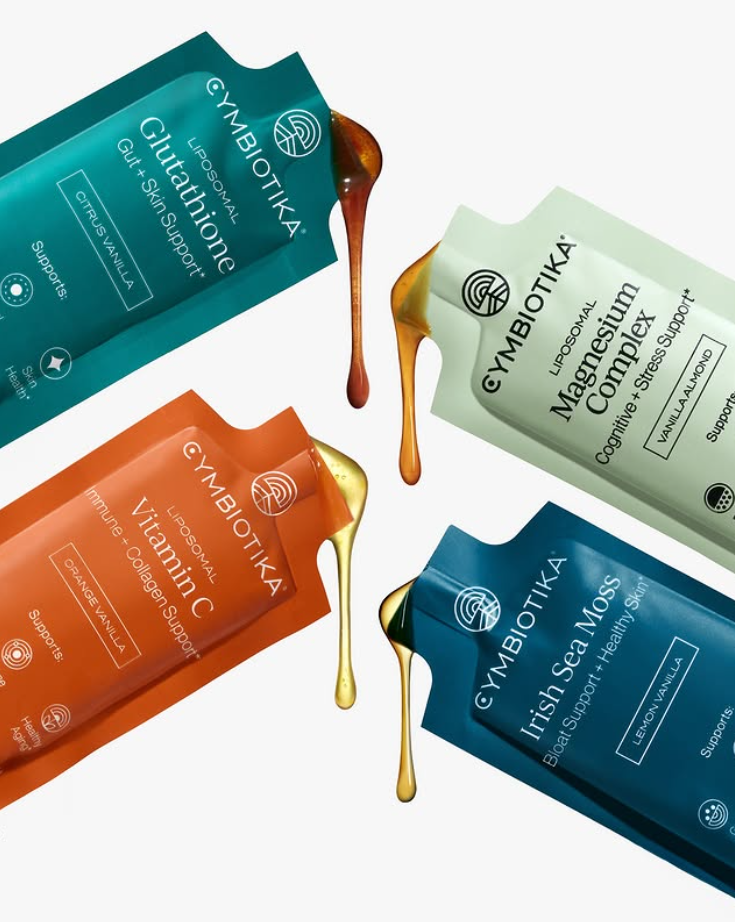
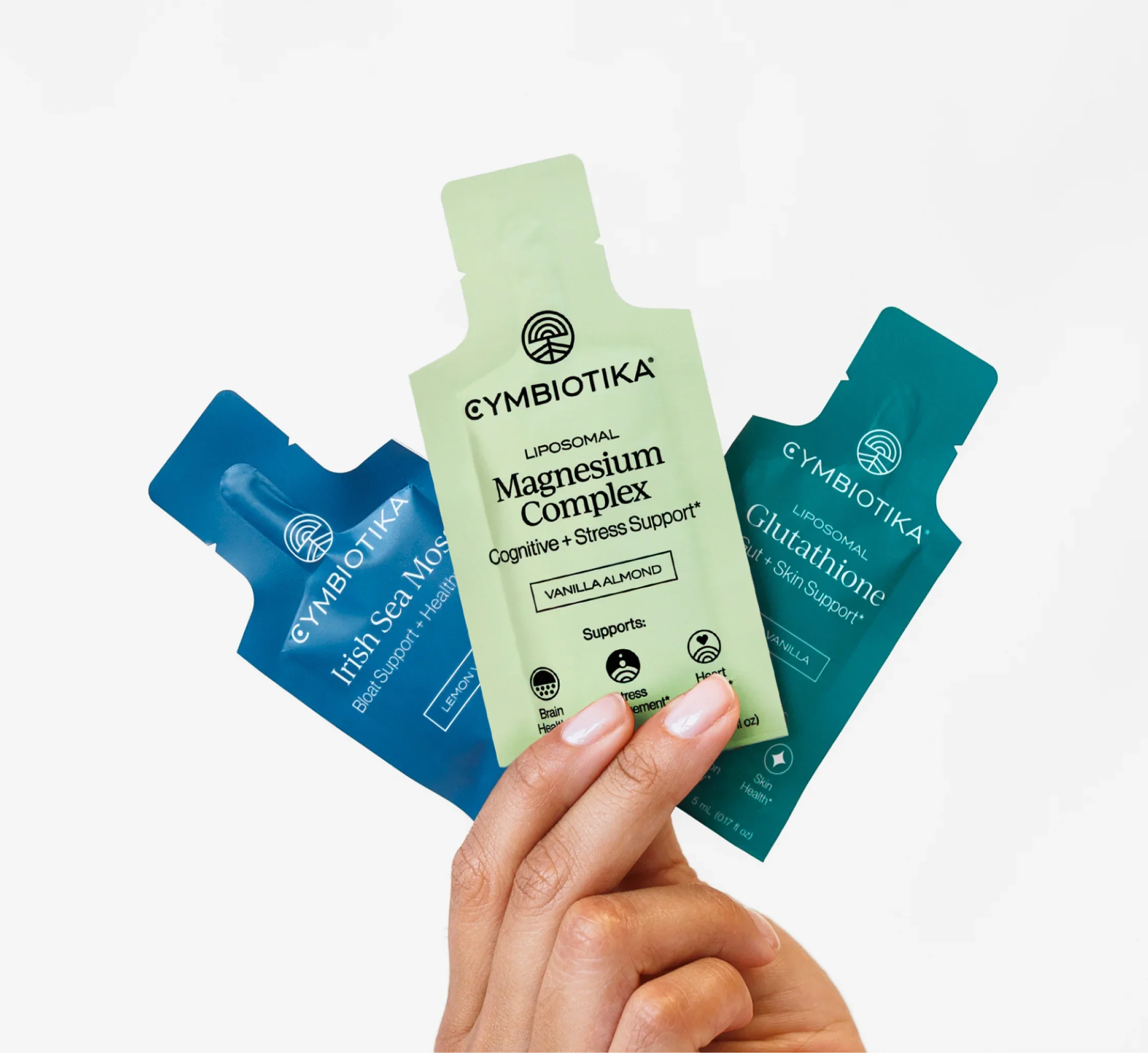
COGS, in the CPG world, the consumer packaged world, COGS are everything. The cost of your product determines your margin, and your margin determines how aggressively you can be marketing, et cetera, et cetera. We never cared about cost. We said, let's make the greatest product ever, and let's have consumers tell us if these products deserve to be profitable or not. Long story short, you know, we sold our first packet, one of these packets of ours that I'm sure you've seen everywhere now, we sold our first one in January 2019. Earlier this year, we sold our 100 millionth packet. Next year alone, we'll do 300 million packets worldwide. And so the idea was birthed out of really trying to help people. I know it sounds corny and cliche, everyone's going to say that nonsense, but ours is true. We did it because we want to help people and the money was a secondary concern. It just came as just a factor of focusing on people's health and focusing on great products.
“We sold our first one in January 2019. Earlier this year, we sold our 100 millionth packet. Next year alone, we’ll do 300 million packets worldwide.”
Lauren Stenger: Yeah, so going a little bit more into that, you guys, as you said, like you put a huge emphasis on creating really high quality products backed by science. So can you talk a little bit more about like the company's R&D process and what that looks like? I'm sure it's a lot more intensive than some other supplement companies out there.
Can you talk about the company's R &D process and what that looks like? I'm sure it's a lot more intensive than some other supplement companies out there.
Shahab Elmi: Yeah, we're insane. I think we probably overkill both R&D and quality control, both of those things are overkill. But we're dealing with people's health. It’s different. In my prior career, we sold widgets, electronics and other things, clothing or widgets. They may not like your style of shirts that you make, or they might not like the cell phones, which one of our prior companies would sell, but it won't damage them or their health or their family's health. When you're selling health products, your responsibility skyrockets by multiples. So from an R&D perspective, our head of R&D is a badass. She wrote her dissertation on liposomes. And she has a group of scientists underneath her with my business partner, Chervin who studied holistic medicine for 20 years now. So you have this combination of traditional schooling with really Eastern holistic medicines combining these two things.
Our standard product takes about two years to develop. And once it's developed, we put them through a litany of tests that I don't think any other supplement company comes close to. So I'll walk you through it real quick, I think this is important. First are the raw ingredients. The raw ingredients are sourced from all over the world. Nothing synthetic, all organic, nothing from China. As these products come into our manufacturing plant, they get tested when they get there. So just the raw ingredients get tested by themselves. Once they pass, then they get formulated into the final product, this thing. Then this thing is tested by the manufacturer and gives us a COA result. Then once we receive it, we send ours to a third party lab and get it tested one more time before it ever touches our warehouse. So you have the raw being tested, the final product being tested by the manufacturer, and then a third party testing for our final product. So by the time it gets to our customer's hands, we’ve scrubbed and scrubbed and scrubbed to make sure there's no microbial issues there. There's no mold issues there. There's no oxidation. Now by the time you get it, it's the product that you paid for.
Lauren Stenger: And then for those who may not know, I guess, like the science and all that, could you kind of just high level explain what are liposomes and why like bioavailability is so important for supplement formulation?
What are liposomes and why bioavailability is so important for supplement formulation?
Shahab Elmi: Yeah, I'm going to say my own terms and not science ways because I get it better this way. So in nature, there's no food called vitamin C. Vitamin C exists when you have an orange. And so we have this orange, the vitamin C and a bunch of other things in the orange help you absorb that vitamin properly. What we've done unfortunately, we being society is you will buy these tablets or capsules or powders of vitamin C. You put them in your body, it's synthetic. If you go to the bathroom, you realize your body's gotten rid of it. I have no idea what that thing was. Your body's shocked. What did you just put in my body? This is not normal.
What liposomes are, they'll take that vitamin C and essentially encapsulate into a fat in a food. So when your body has it, your body thinks you're having an orange, not a synthetic vitamin C. By the way, we don't put one ingredient or two like most people do with vitamin C. Our vitamin C has 14 different ingredients in it. So all of these things work together to trick your body or make your body believe you're actually having the food. And the liposomes is the fat that encapsulates that vitamin. So the absorption rates of viability skyrocket.
“What liposomes are, they’ll take that vitamin C and essentially encapsulate into a fat in a food. So when your body has it, your body thinks you’re having an orange, not a synthetic vitamin C...So the absorption rates of viability skyrocket.”
Lauren Stenger: And then I kind of want to hear a little bit about your own daily wellness habits. What are kind of things for you? Obviously, you're probably taking Cymbiotika every day and things like that, but what else are kind of non-negotiable dailies for you?
What wellness habits are non-negotiable dailies for you?
Shahab Elmi: Yeah. So you got to be active. My wife and I both, we work out together. We start off the day working out. So 5:30am or so we're in the gym, and we have a little gym in our home and it's enough. Everyone thinks you have to go to fancy Equinox, nothing against Equinox, it’s awesome, we’re in Equinox. Those are great if you have access to them, but not everyone has access or the money or the distance, or if you're in a city, it might be hard to get to. All you need is a little small section in your apartment to build yourself a little mini gym. And so we start off the day everyday working out. The second thing is diet. It's all about diet, especially the older you get. When I was younger, it wasn't as big of a deal. I’m 46 now, and if I'm not careful, if I start cheating a little bit too much, you know, I like sweets here and there, I like to have a cocktail here and there. But if you overindulge, that's what gets you the most. You cannot work out a bad diet. It's impossible. You could work out 10 times a day, but if your diet's poor, you're going to be in trouble. So be active and have a clean diet.
“You cannot work out a bad diet. It’s impossible. You could work out 10 times a day, but if your diet’s poor, you’re going to be in trouble.”
The two things for me that I have to do every day outside of those things, one is the sauna. I have a sauna at home. Again, that's not accessible to everyone. Though there is a company called, I just talked to their founder and the CEO. I gotta tell you this, because this is shameless plug, but they're so good. I gotta tell you, SaunaBox. They built these saunas that are infrared saunas, incredibly efficient and inexpensive. You get them under $1,000, $600-700 I think, but they fit in the corner of an apartment. And Dr. Peter T and some of these other guys who are really, really smart, most of them agree that the most important thing you do for your health is sauna. And I do it every single day. The second thing is cold plunge. Now that one I don't do every day, but I try to do it every day. That’s a harder one for me, especially when the weather is getting cold now, when the weather was warm it was different. But I'm in there probably three days a week now. But those are my four things. It's be active at least 30 minutes a day. Two, clean up your diet that. You can't cheat. If you want to cheat, cheat once a week, but outside of that, you got to be disciplined. And then sauna and cold plunge, these are the four things.
Lauren Stenger: Okay, yeah. And then I feel like there's a lot of emphasis on like anti-aging, longevity, things like that. Are there any specific supplements or any holistic tips that you have for like young adults, college students, maybe like people where their brains are still developing, any tips for that?
Are there any specific supplements or any holistic tips that you have for young adults specifically?
Shahab Elmi: Before I recommend supplement that we don't even sell yet, but I'm going to recommend it anyways, mental wellness is really, really important. And I think forever, we really haven't as a society, focused on it. But if you want to be physically fit, if you want to have a really good life, you got to get your mind and soul right. That's a little different for everyone else. Some people like to meditate, some people like to go for walks, some people like to read. You have to find whatever that thing is for you to unwind a little bit from all the stress of society. We all have stress in different ways, right? I run a company, you know, I’ve been married to the same incredible one for 26 years and we work on a relationship. We have two daughters that are active. So there's so many things going on. I have to find the one thing that works for me. Everyone should spend time figuring out what is that one thing that resets you. If you have an iPhone or something and the phone starts to get corky on you, the first thing you do is restart it, right? Turn it off, turn it back on. Human beings need a reset. And you gotta find out what that reset button is for you and really, really focus on it.
As far as the supplement goes, and I think it's everyone should be taking, everyone should be taking, talk to your doctor first if you have preexisting health condition. But NAD+, ours comes out in February. There's a number of them on the market now. Just be careful, a lot of them are just crap. But NAD is such an important element of having a healthy body long-term. And there's a lot of hype around it. Some people get it injected, some people get it in an IV. We have a liposomal version coming out in February that I think is going to change the world. But I think NAD is the most important.
Lauren Stenger: Can you explain what NAD is for those who don't know?
Shahab Elmi: So without making overly complicated. First of all, there's anti-aging. No one, you can't reverse your age. Okay. What NAD essentially does is optimizing your body so your age slower. So it's a cellular level. We can get more into it if you like, but essentially as we get older, you can't reverse with your age, but you can slow down the way you're pacing. And NAD helps with that.
Lauren Stenger: Okay. Well, I'm going to look out for that in February.
Shahab Elmi: Well, send me a note and I'll send you some.
Lauren Stenger: Oh, I love that. Um, that'd be awesome. So moving a little bit into your journey as a serial entrepreneur, um, have you noticed throughout all the businesses you've started, have you noticed a kind of like a common denominator or a core set of principles that apply to each venture you've been involved with, or is each process and business model and journey completely different?
As a serial entrepreneur, have you noticed a common denominator or a core set of principles that apply to each venture, or is each process different?
Shahab Elmi: They're all different, but the one core, this is the advice I always give young entrepreneurs, you have to be prepared to fail. This is a really important part of the entrepreneurial journey, and not everyone should be an entrepreneur. Like I have a, I won't mention it, I have a family member of mine, this person is brilliant. Absolutely brilliant. Genius. Multiple degrees, doctorate, but has no business ever being an entrepreneur. Completely risk-averse. And the best entrepreneurs, if you listen to the people you respect the most out there, they all have the same story where they were struggling, they went all in, they were struggling more, they doubled down, tripled down, they were three months away from bankruptcy, things didn't work and then somehow they changed things around. Part of the journey of entrepreneurship is failing and failing and failing and failing. The more aggressive you are and the quicker you fail, the more you learn. The key though is to able to kind dust yourself off and move forward. But that's the biggest common denominator. All my companies, we struggled at some point. All my companies, we had cash crunched at some point. All my companies, we had sleepless nights over and over again where I thought the world was gonna end, but it doesn't. As long as you stick in there.
“Part of the journey of entrepreneurship is failing and failing and failing and failing. The more aggressive you are and the quicker you fail, the more you learn. The key though is to able to kind dust yourself off and move forward.”
You gotta stay in the pocket. You know what the pocket is? Okay, for the guys who are listening to your podcast, they might appreciate this. Maybe some of the gals who watch boxing too. It's a boxing term. In boxing, there is an imaginary distance between you and your opponent. It's called a pocket. You're close enough to hit them, but they're also close enough to hit you. The thing with the pocket is if you're outside the pocket, you can never hit your opponent so you can never win, right? That's pretty intuitive. If you can't touch them in boxing, you can never win. So you have to be in the pocket to win, but if you're there, they can hit you too. So all the pain and suffering is in the pocket. You know who wins a boxing match more often than not?
Lauren Stenger: Who?
Shahab Elmi: The person who stays in the pocket the longest, the person who's willing to take the pain and suffering, the nights of sleeplessness, the stress of being an entrepreneur, running out of money, having to live on Cup Noodles, which my wife and I had to do when we started our first companies. We lived off of Cup Noodles for like two years. Not even Cup Noodles. It was a knockoff Cup Noodles, I think they were 10 units for a dollar, and each block was for two people. So it's five cents a serving. We lived off of like two years. The people that stay in that pocket, the metaphorical pocket, the longest, they typically win. It's not the smartest. It's not the people coming from the most money, not the people who went to Wharton. It's people who are willing to stay in the pocket the longest.
Lauren Stenger: That's good advice. Sounds like you and your wife are, you know, partners in so many aspects. I'm curious, how did you guys meet? Like, what's the origin story?
How did you and your wife meet?
Shahab Elmi: This is my favorite part of the story. I wish if she walked by, I'd grab her and make her admit this, we're at the office today. She was at UCLA. She is brilliant. And I saw her at a party. I was 19. She walked by and I grabbed her hand. You can't do that these days. This was many years ago. But I grabbed her hand and said, my name is Shahab. I'm going to marry you one day. And that's how. I married her a year later. And that's how we met. 27 years and two daughters and five companies later. She's smoking hot. Let me show you my wife's picture. I'm very lucky. I'm a very lucky guy.
Lauren Stenger: My gosh, that is crazy. my gosh, wow, that is so special. Yeah, we gotta get her on the podcast.
Shahab Elmi: She's the one. I've never seen someone more passionate about helping women than my wife. She's so pro woman. She never competes with women, all she wants to do is help women, especially young women, because she came from nothing. She's from Afghanistan. She was the first woman in her lineage, her family, to go to college in the United States. She got herself into UCLA. Crushed corporate America became an executive at two separate companies by the time she was 30 years old, T-Mobile and AT &T, and so she's a bad-ass man. And even today, she's won J.P. Morgan Businesswoman of the Year, Inc. 250 Most Powerful Woman in Business. The city of San Francisco just gave her her own day. We were at City Hall, the mayor was there, the governor was therd. August 27th is Durana Elmi Day in San Francisco. So if you go on her Instagram, you'll see when we went there was a beautiful speech, people cried. City Hall was packed with like hundreds of people celebrating it. So she actually has her own Durana Elmi Day in the city of San Francisco. She's done it all. For her, her focus around women, especially entrepreneurial women is incredible. She spent so much time with and our girls, every single day she has to drop them off at school and pick him up. She'll cancel everything. She'll never miss those two windows. She never misses a recital, never misses a volleyball match, a game, none of it. I don't know how she does it. And you know, she's smoking. We're very lucky. I get to work on my best friend. Her office is two doors down and you know, what can I say? Life is great. No complaints.
Lauren Stenger: I want to speak a little bit or I want to hear a little bit more about, and you touched on it initially, how the authenticity of the brand and the quality of the brand like really spoke for itself and was huge for helping you guys like scale. Like you didn't plan on scaling as much as you guys have. But yeah, I just want to hear a little bit more about that. How have you guys been able to skyrocket this brand and kind of a relatively short amount of time, you guys were only founded a few years ago and you're doing such high volumes, so I just want to hear a little bit about what you think, like, what do you attribute that to?
How have you guys been able to skyrocket Cymbiotika in a relatively short amount of time?
Shahab Elmi: Yeah, so when we started the business in 2019, I took most of that year, 2019. One, I brought over the top executives from my other companies. So we built in this really important powerhouse of leadership, leaders that one, I knew were brilliant, and two, we worked together, so we trusted one another. And trust is a really big deal, by the way, when you're starting a company, you have to bring really, really talented, passionate people around you. But you have to have trust that they're going to do their jobs and let them do their jobs. Too many CEOs want to impose their will on the executive team that they bring around them. And if you do that, then why would you bring them to begin with? So having this trust, mutual trust to say, I know you're going to do a good job, so here's your side of business, go ahead.
The second thing was, as we analyzed the business in 2019, we were so late to the party from a supplement standpoint. Most of the supplement craze took off in 2010- 2015. We were really, really late. So we decided to be contrarian. We did everything against the grain. Everything we've done is against the grain. I'll give you some examples. Every single competitor of ours, their customer service is overseas somewhere. Nothing against overseas people. But there's no intimate relationship between the customer service rep and the client. Because when you call a call center in the Philippines or India or wherever, there are 50,000 people working. Here, our call center is in the same building. I can walk 50, 100 feet down the way and see them. I know them personally. I say, hi, we hang out in the kitchen every day. We talk about sports and life. When you call them as Lauren, they know you. They know about your health journey. They know about your family's health journey. You build a relationship. They can help you through this process and they're trained to do so. The second thing that we did that was, that was crazy was we brought 100% of our marketing in house. Most companies are digital marketing firms and we don't. We have 25 people right in front of me marketing to sit here.
“Most of the supplement craze took off in 2010-2015. We were really, really late. So we decided to be contrarian. We did everything against the grain. ”
The third thing we did is we brought 100% of our tech in-house. We have 14 people in tech that write code for us all day, including five people doing AI. We didn't outsource. It's expensive, but it allows us to be fast and nimble. So we were making up time against our competitors, even though we were seven, eight, ten years behind, because we were able to do things quickly in-house. We weren't outsourcing some firm that would take them two, three months to get something done. And it wasn't really custom to us, it was a platform they had that they kind of massaged for us. We were at our own stuff. Our rewards program we wrote, our app we wrote, we're running our own bots for AI. We did all in house.
The last thing that we did that was really, I think, different was we were fully transparent about everything. We posted on our site, our COAs, which are ingredients, and also our formulas. We gave you the recipe to our products, which was really crazy at the time. Competitors would take them and make the same exact formulas. So I was asked at the beginning, why would you do this? And my response was, if you're going to be in the health space, you should be transparent. If you're worried about your competitors, then the worst thing that can ever happen is you're going to elevate the entire industry together. And so those elements made us different and unique. Once the brand hit the way it did, we've been very disciplined about not losing our customers' confidence in us. It's really easy to do so. You get bigger, you put out subpar products, you want to save some money on products, you cut quality. We've never done that. We never will.
“If you’re going to be in the health space, you should be transparent. If you’re worried about your competitors, then the worst thing that can ever happen is you’re going to elevate the entire industry together. ”
Lauren Stenger: I want to hear a little bit about your recent seed round, which is super exciting. Looks like you guys have a bunch of really cool investors. What excites you most about this new chapter with fundraising?
What excites you most about this new chapter with fundraising?
Shahab Elmi: So, we held off on fundraising for a very long time because as you know, if you do it early, you wind up giving up a big chunk of your company and very likely you lose control or some element of control. You get a board and the board has their say in what happens to the business, etc... So we waited as long as we possibly could for this round. The seed round was awesome. I have a friend of mine, David Grutman. You should talk to him at some point. He's talked at Harvard a few times, he was Harvard earlier this year.
Dave is like a 1/1 in the world where he has a contact list unparalleled to anyone. He helped lead the round and his ecosystem is like Kendall Jenner. We haven't announced yet, but she's an investor of ours. We're going to announce her in the next couple of weeks. We have Kendall, then we have J Balvin, we have Zach Efron, we haven't announced Haley Bieber we haven't announced, we'll announce all of them in next two or three weeks or so.
But Grutman had really helped drive a lot of those home. The idea of getting celebrities on board was, all of these celebrities are Cymbiotika users by the way. We've never paid a single celebrity to post for us ever. And we never will. That's not who we are. We'll never do it because if you want people to buy your products, they should buy your products because the products are great. Not because some super famous people, the person told you to buy them. It's different than when they're real users.
One of the prerequisites we had for the SAFE round, if you want to be in the SAFE round, this investment around, you have to be a Cymbtiotika existing user. If you weren't, no interest. So every single one these people, are like we love your products, we've been using them, we want to get involved. And to their credit, all those big names you saw, The Weeknd, Post Malone, Marshmallow, Alesso, you name it, John Summit, Gunna, all of these guys. I kid you not, every single one of them wants to help because they believe health is really important and they want to use their platform to help people. I kid you not. When I say people, won't believe it because they think it's just a money thing for them. It's not. Some of these guys have so much money. The Weeknd has so much money. His investment in our company isn’t going to change his life. Not at all. But he cares about health and wellness. And it's a big deal for these folks. We did the Gunna run in Miami.
“The Weeknd, Post Malone, Marshmallow, Alesso, you name it, John Summit, Gunna, all of these guys. I kid you not, every single one of them wants to help because they believe health is really important and they want to use their platform to help people.”
Lauren Stenger: Yeah, I saw the run on social media.
Shahab Elmi: Right. We're doing another one with him next week in LA. He doesn't make any money off of that. There's no money. It’s a charity thing for him. He does it because he genuinely cares. He's from Atlanta, and he wants people that he grew up with to be healthier. If you go to the neighborhoods we came from, every corner there are four fast food restaurants on one corner. We were sold this fact that McDonald's and Burger King and Carl's Jr, that's what you should be eating. That's not food. You’re slowly poisoning yourself. That's not real food. And now you're having the Gunnas of the world, the John Summits of the world, these guys making a massive impact. And that's why they got engaged. That's why we were so excited about it, not because I want to show off that I'm friends with Gunna and The Weeknd. That's not why. The idea was to show that this is how big the movement has gotten. That all these folks who have hundreds of millions of dollars, they don't need our money, they don't need my money. They want to make an impact, a bigger impact than even their music could. And that's the exciting part of this.
Lauren Stenger: Well, thank you so much for giving me some of your time. I'm super excited to watch Cymbiotika grow within these next few years and keep watching what you guys are doing. And thank you. I just love hearing about wellness companies. It's super inspiring to me always. So I really appreciate it.
Shahab Elmi: It's a pleasure. Good luck with anything. you need my support with anything, let me know.